McKeown Medical
167 Bath Street, Glasgow, G2 4SQ
McKeown Medical
167 Bath Street, Glasgow, G2 4SQ
The full facelift is a concept in aesthetic medicine that involves rejuvenation of the entire face and neck. This typically involves a combination of both surgical and non-surgical procedures, each targeting different aspects of the ageing process across various facial areas.
A bespoke approach to facial rejuvenation that treats the face in its entirety, addressing structure, soft tissue, and skin quality for results that look refreshed, natural, and enduring.
The full facelift is a concept in aesthetic medicine that involves rejuvenation of the entire face and neck. This typically involves a combination of both surgical and non-surgical procedures, each targeting different aspects of the ageing process across various facial areas.
A bespoke approach to facial rejuvenation that treats the face in its entirety, addressing structure, soft tissue, and skin quality for results that look refreshed, natural, and enduring.
Every patient is unique, and during our consultation process, we work with you to develop a bespoke treatment plan based on what you want to achieve.
Multiple treatments
Local and sedation
2 - 3 weeks
Lifetime
From £25,750
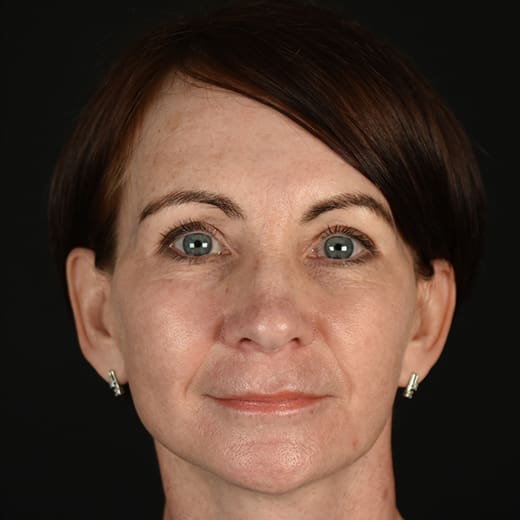
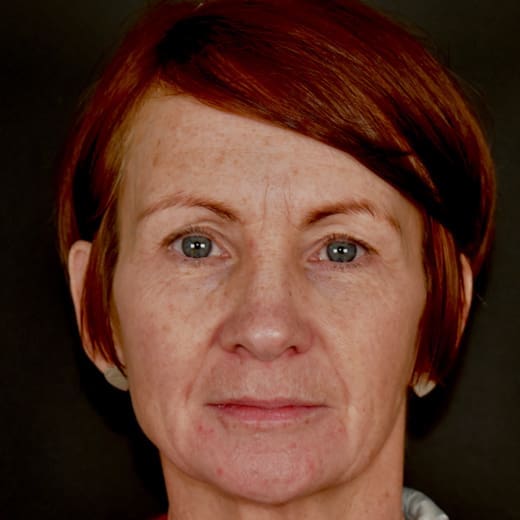
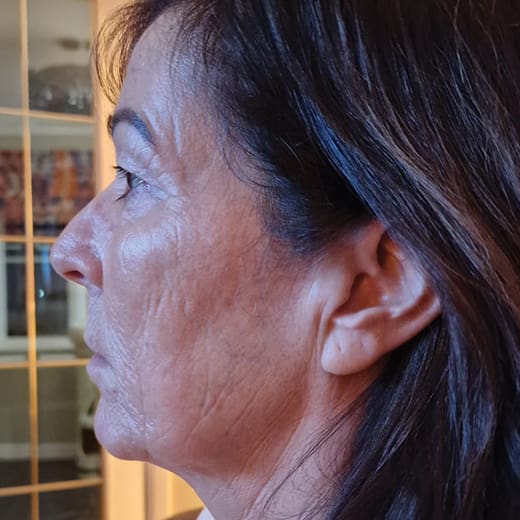
A traditional facelift (rhytidectomy), which involves making incisions around the ears, is especially effective at removing excess skin from the jowls and neck area (and to a lesser extent the cheek) however it doesn’t do anything for the eyes, forehead, skin quality or some of the deeper lines around the mouth. In the full facelift approach, additional procedures are incorporated to focus on the other regions for a more comprehensive rejuvenation.
For information specific to patients in the West of Scotland, see our facelift in Glasgow page.
1 / 5
A traditional facelift (rhytidectomy), which involves making incisions around the ears, is especially effective at removing excess skin from the jowls and neck area (and to a lesser extent the cheek) however it doesn’t do anything for the eyes, forehead, skin quality or some of the deeper lines around the mouth. In the full facelift approach, additional procedures are incorporated to focus on the other regions for a more comprehensive rejuvenation.
For information specific to patients in the West of Scotland, see our facelift in Glasgow page.
A traditional facelift, which involves making incisions around the ears, is especially effective at removing excess skin from the jowls and neck (and to a lesser extent the cheek) however it doesn’t do anything for the eyes, forehead, skin quality or some of the deeper lines around the mouth. In the full facelift approach, additional procedures are incorporated to focus on the other regions for a more comprehensive rejuvenation.
2 / 5
A traditional facelift, which involves making incisions around the ears, is especially effective at removing excess skin from the jowls and neck (and to a lesser extent the cheek) however it doesn’t do anything for the eyes, forehead, skin quality or some of the deeper lines around the mouth. In the full facelift approach, additional procedures are incorporated to focus on the other regions for a more comprehensive rejuvenation.
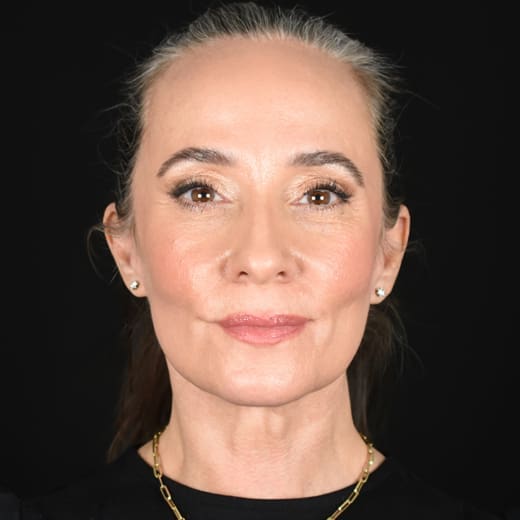
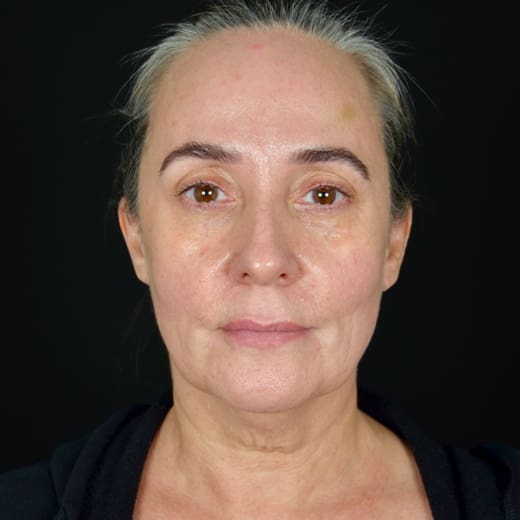
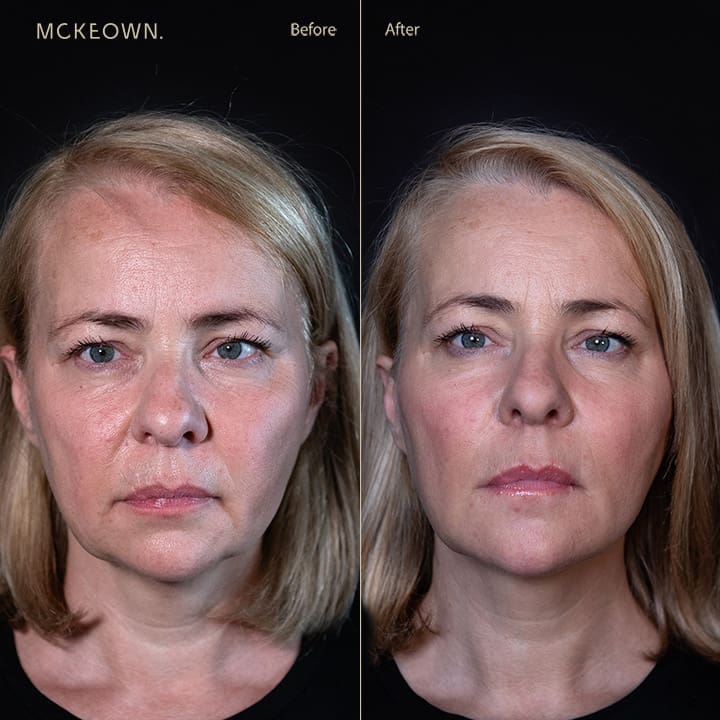
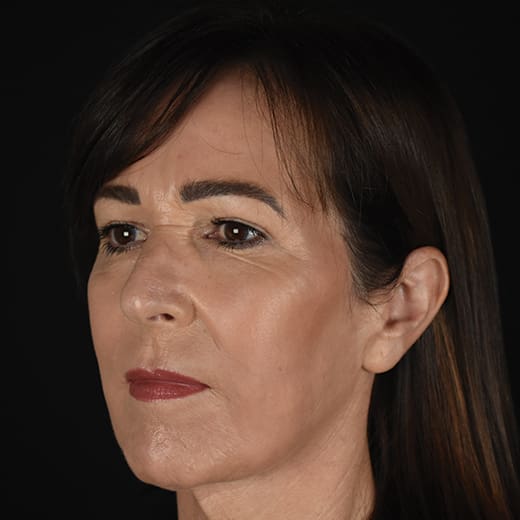
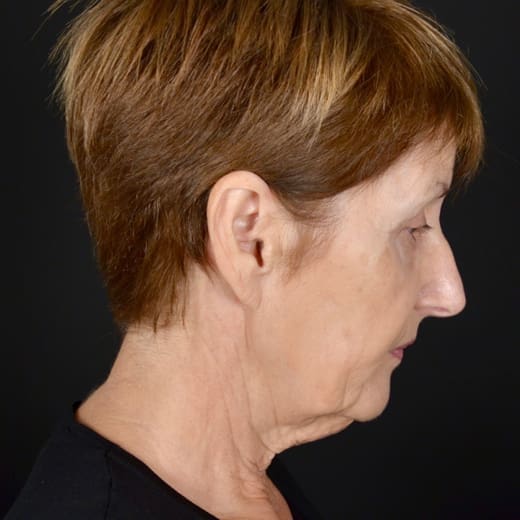
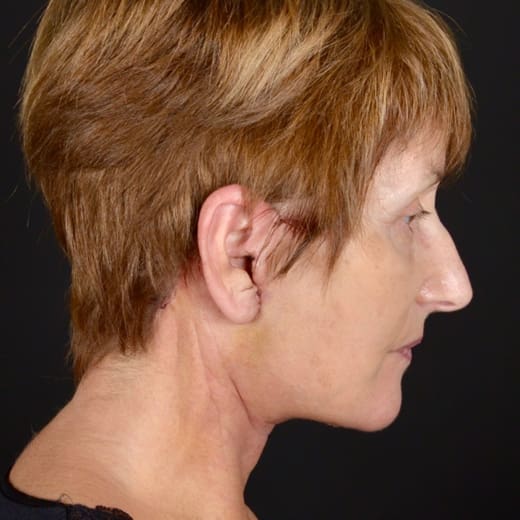
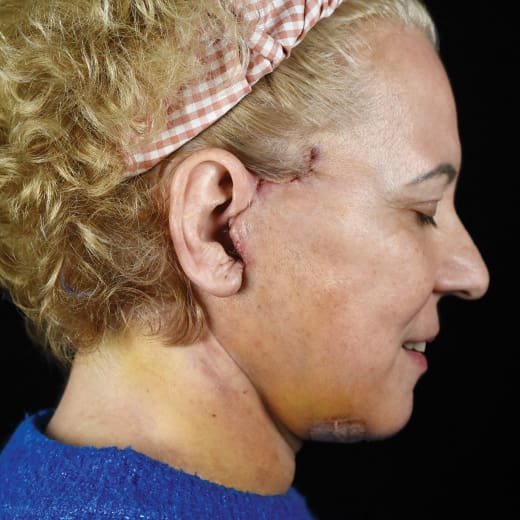
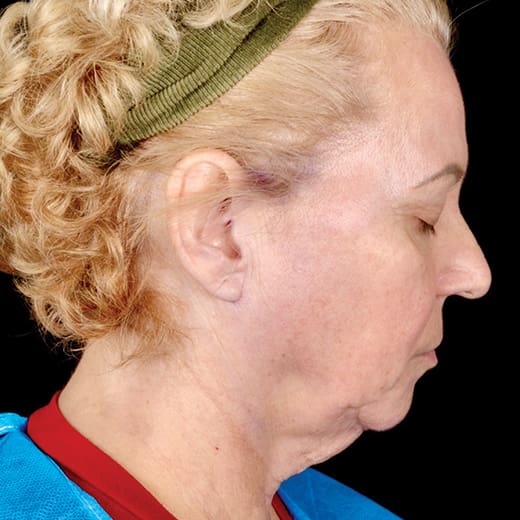
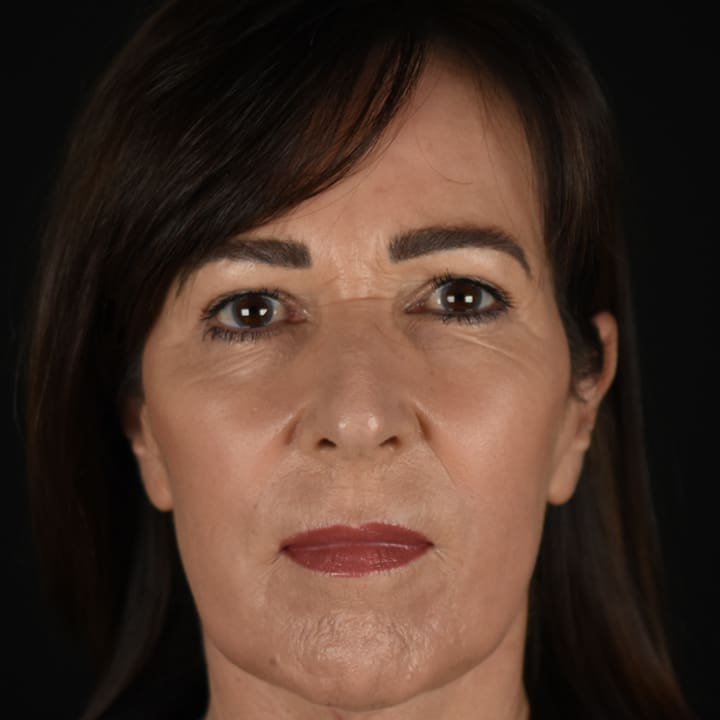
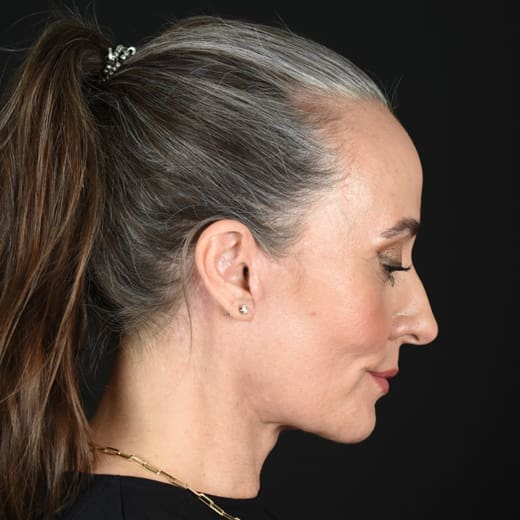
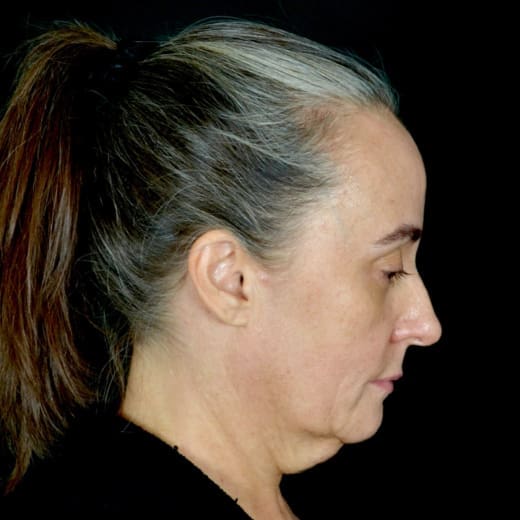
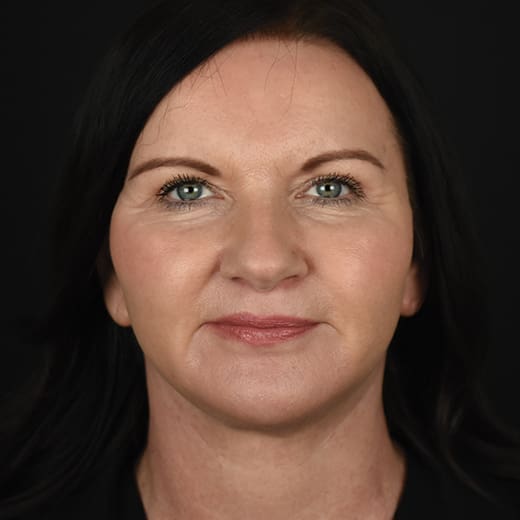
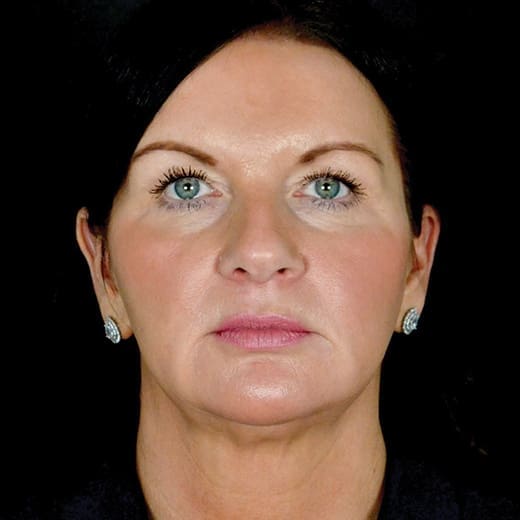
This patient felt her face was no longer matching on the outside how she felt on the inside. She wanted to reduce her jowls and also rejuvenate her eye area. We performed a deep plane face and neck lift with upper eyelid blepharoplasty. Her after photo is six months after her facelift and two months after her eyelid surgery, with no make up on so you can see the details including the scars
3 / 5
This patient felt her face was no longer matching on the outside how she felt on the inside. She wanted to reduce her jowls and also rejuvenate her eye area. We performed a deep plane face and neck lift with upper eyelid blepharoplasty. Her after photo is six months after her facelift and two months after her eyelid surgery, with no make up on so you can see the details including the scars
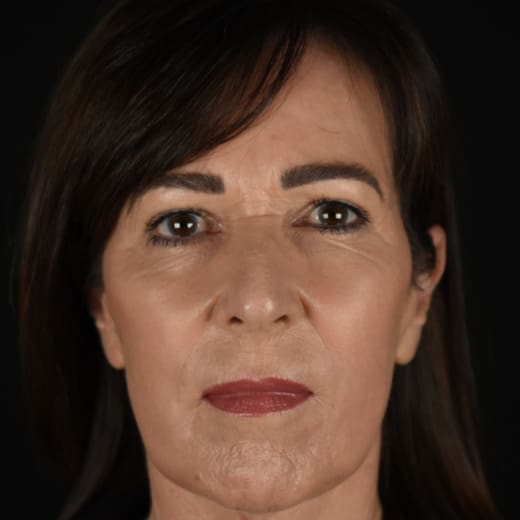
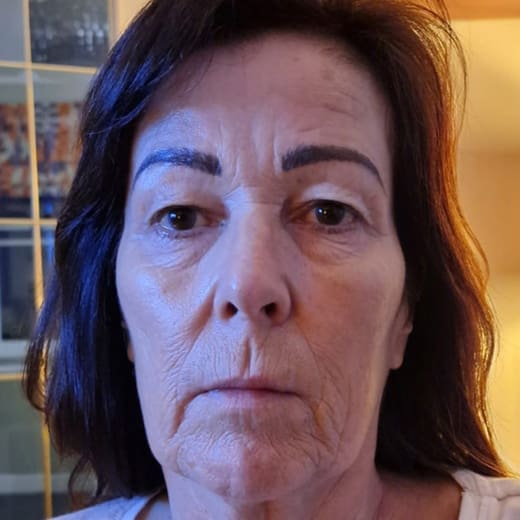
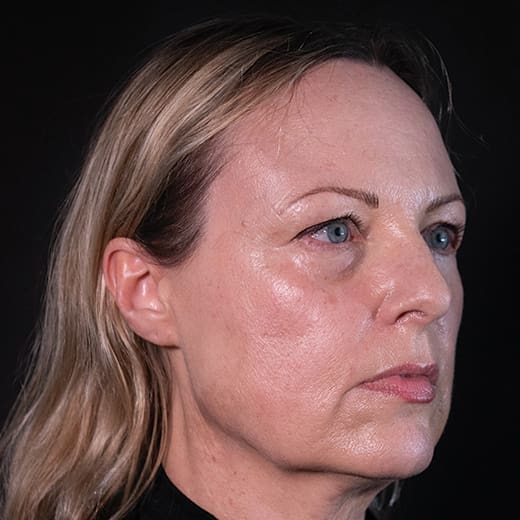
A traditional facelift, which involves making incisions around the ears, is especially effective at removing excess skin from the jowls and neck (and to a lesser extent the cheek) however it doesn’t do anything for the eyes, forehead, skin quality or some of the deeper lines around the mouth. In the full facelift approach, additional procedures are incorporated to focus on the other regions for a more comprehensive rejuvenation.
4 / 5
A traditional facelift, which involves making incisions around the ears, is especially effective at removing excess skin from the jowls and neck (and to a lesser extent the cheek) however it doesn’t do anything for the eyes, forehead, skin quality or some of the deeper lines around the mouth. In the full facelift approach, additional procedures are incorporated to focus on the other regions for a more comprehensive rejuvenation.
A traditional facelift, which involves making incisions around the ears, is especially effective at removing excess skin from the jowls and neck (and to a lesser extent the cheek) however it doesn’t do anything for the eyes, forehead, skin quality or some of the deeper lines around the mouth. In the full facelift approach, additional procedures are incorporated to focus on the other regions for a more comprehensive rejuvenation.
5 / 5
A traditional facelift, which involves making incisions around the ears, is especially effective at removing excess skin from the jowls and neck (and to a lesser extent the cheek) however it doesn’t do anything for the eyes, forehead, skin quality or some of the deeper lines around the mouth. In the full facelift approach, additional procedures are incorporated to focus on the other regions for a more comprehensive rejuvenation.
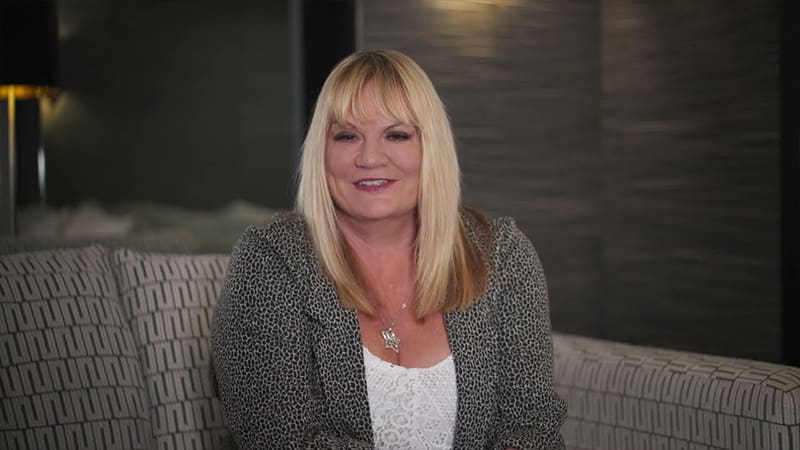
Hear from our patients about their experience of the full facelift at McKeown Medical.
1 / 2
2 / 2
Ageing affects the face at every level, which is why no single procedure can truly rejuvenate it. Over time, facial bones are gradually reabsorbed, reducing structural support. Fat pads diminish and shift; soft tissues descend, and skin quality deteriorates with changes in texture, pigmentation, and elasticity. A full facelift is designed to address all of these changes together. By combining advanced surgical techniques with complementary treatments, we create a bespoke, whole-face rejuvenation plan tailored to your anatomy and ageing pattern, restoring balance, softness and definition while maintaining a natural, unoperated appearance.
A full facelift is best suited to patients who feel that multiple areas of the face have aged in combination and that non-surgical treatments no longer provide meaningful or lasting improvement. It is often chosen when concerns such as jowling, neck laxity, heavy eyelids, and overall facial tiredness coexist. Rather than treating individual features in isolation, a full facelift allows these concerns to be addressed together in a structured, considered way, creating a more balanced and natural-looking result.
Unlike mini facelifts or isolated procedures, a full facelift treats the face as a whole. By combining deep plane lifting with skin, eye, and volume treatments where appropriate, it delivers more natural, balanced, and longer-lasting results than limited or surface-based techniques, allowing the face to age gracefully over time.
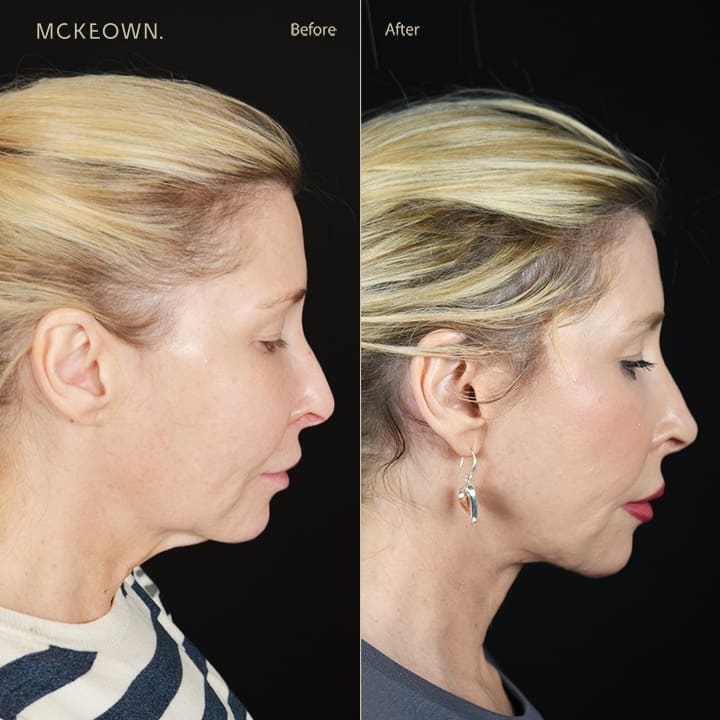
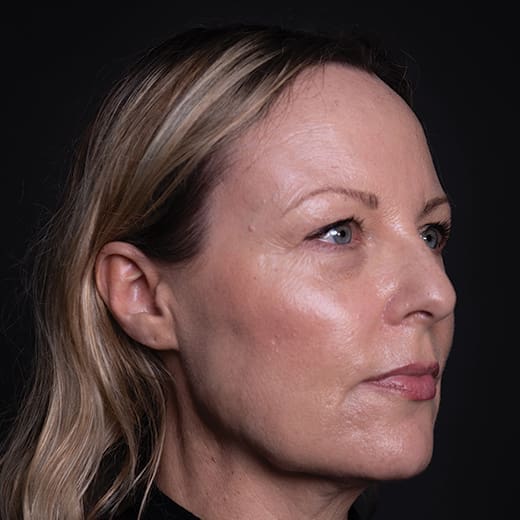
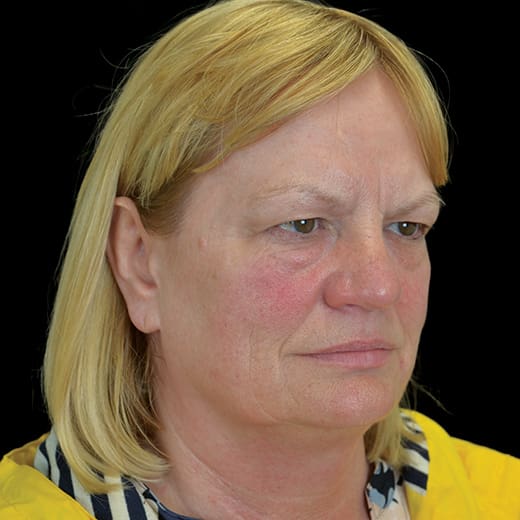
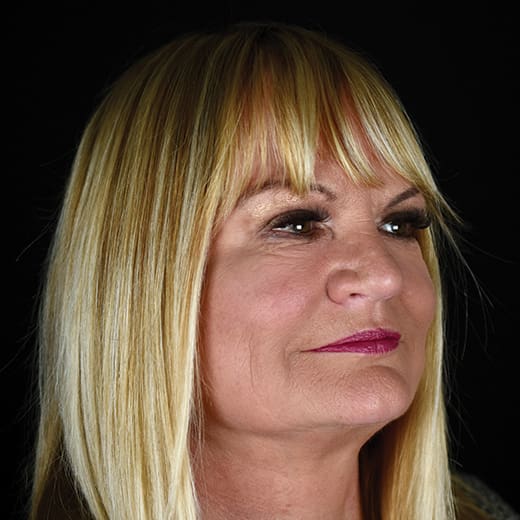
Here are some examples of our facelift treatments on our patients, all performed at McKeown Medical. Every patient is unique, and during our consultation process, we work with you to develop a bespoke treatment plan based on what you want to achieve. We are truly proud of these results and the incredible outcomes we deliver for our patients.
1 / 3
2 / 3
3 / 3
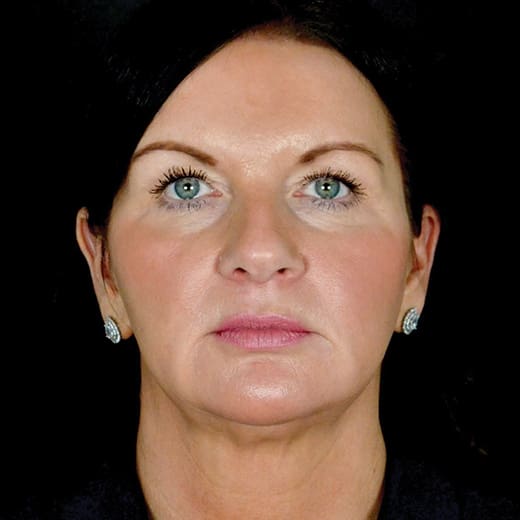
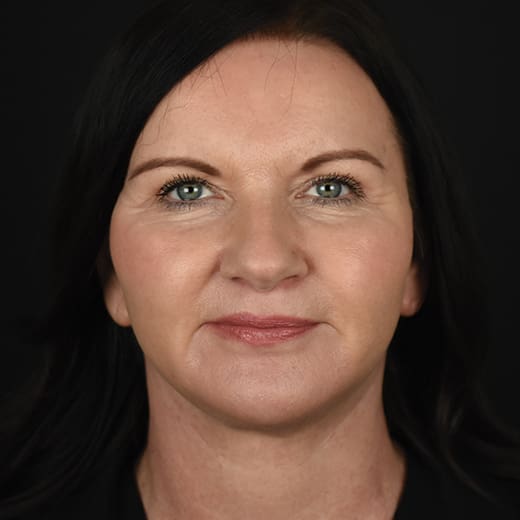
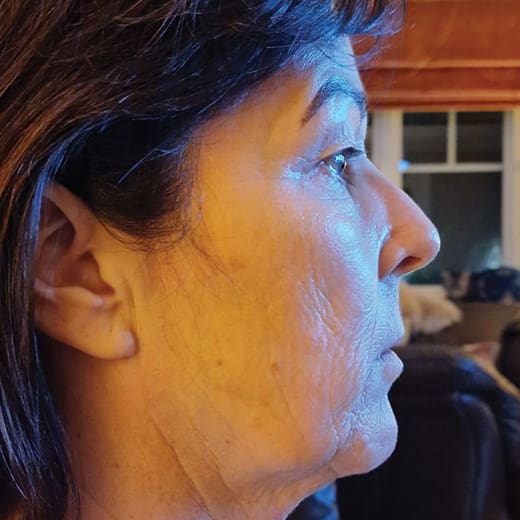
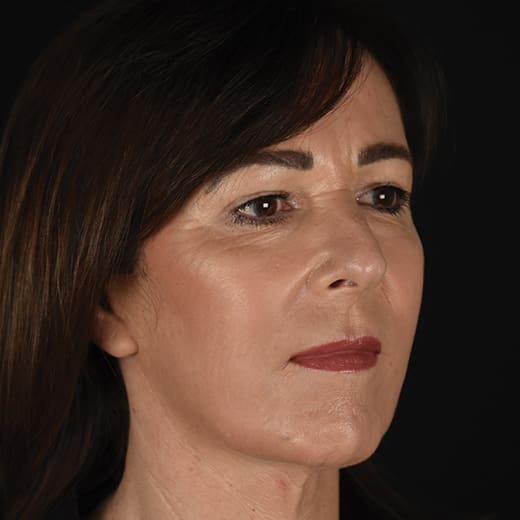
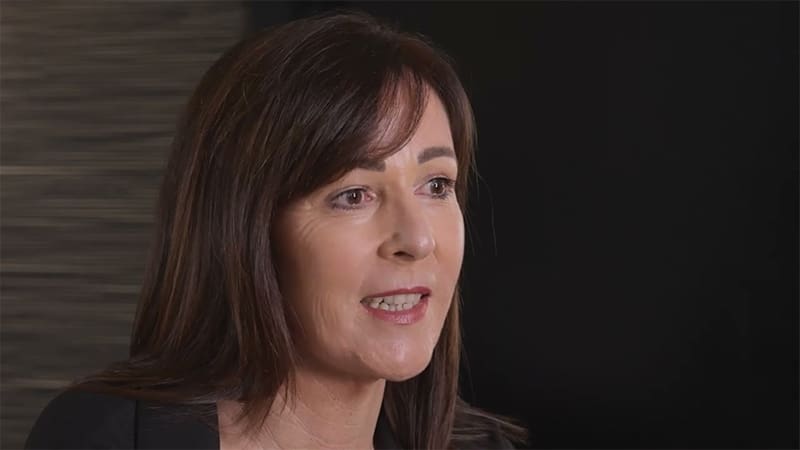
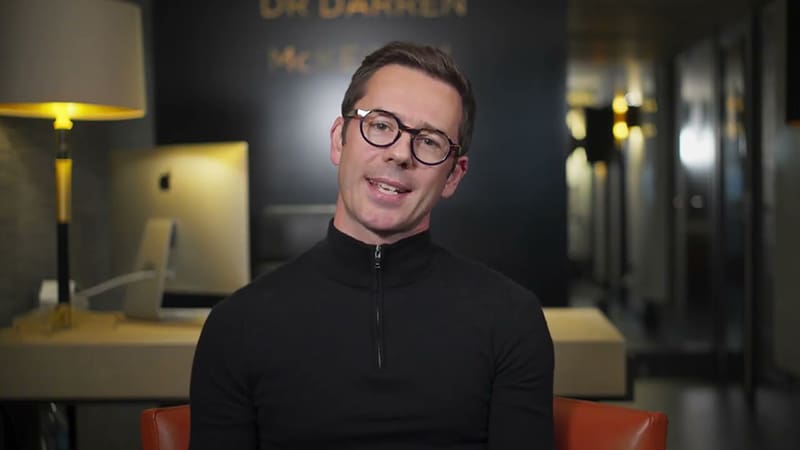
Our resident facelift surgeon, Mr Russell Bramhall, is regarded for his facelifts and blepharoplasties, and strives for an elegant, “invisible” result. Here, he discusses his approach to facelifts.
Hear from our patients about their experience at McKeown Medical.
1 / 8
2 / 8
3 / 8
4 / 8
5 / 8
6 / 8
7 / 8
8 / 8
I had face and neck lift surgery with Mr Russell Bramhall. I can honestly say that all aspects of the process were excellent, and I cannot recommend Russell highly enough. It’s now 6 months on, I am absolutely delighted with the results and I cannot thank Russell enough for giving me my confidence back.
A McKeown Medical patient on RealSelf 6 months post-op
Dr. Russell is an amazing surgeon. Underwent upper blepharoplasty and facelift with liposuction under chin. I was pretty nervous before the surgery but needn’t have been as Dr. Russell and his team were so calming and professional. The aftercare provided was amazing. I am delighted with the results and wouldn’t hesitate to recommend Dr. Russell.
A McKeown Medical patient on RealSelf
My experience with Dr Bramhall was fantastic. Having never been through any procedure like this, I was encouraged by his knowledge, professionalism and realistic approach. My confidence has grown since having my surgery and that, in turn, allows me to be a better version of myself. I am delighted with my results.
A McKeown Medical patient on RealSelf 3 months post-op
From the first consultation Russell made me feel extremely comfortable and confident about the procedure. It’s been 8 weeks since the surgery and I am over the moon with my results. Five star experience. Before, during and aftercare is exceptional. I would never use anyone else if I was to consider surgery again. Can’t thank Russell enough how confident I am now, I feel fantastic.
A McKeown Medical patient on RealSelf 2 months post-op
It has been 5 months since my face and neck lift. I am so happy I had the surgery, my saggy neck and jowls have now gone and everything looks so natural, Russell combines technical skill with meticulous artistry. My outcome is natural and refreshed; most importantly, I still look like me.If you are looking for a brilliant and talented surgeon Dr Bramhall will give you a fantastic result. Many thanks to Russell, Darren, Tom and their team.
A McKeown Medical patient on RealSelf 5 months post-op
My experience with Mr Bramhall was faultless from start to finish. He put me completely at ease, before and during my procedure, as did the staff assisting him, kind and caring. Everything went to plan, without complications, and I am now healing perfectly with beautiful results. I would thoroughly recommend Mr Bramhall and the clinic.
A McKeown Medical patient on RealSelf 3 months post-op
At my consultation, Dr Bramhall explained the procedure and answered all my questions. He is so friendly and really puts you at ease. The aftercare at the clinic and with Russell has been absolutely fantastic, they are always a phone call away. If I was looking for any more cosmetic surgery I wouldn’t go anywhere else. I am over the moon with my face & neck lift. It has given me a fresh and youthful face.
A McKeown Medical patient on RealSelf 5 months post-op
I had a face and neck lift with Russell. It is the best thing I have done and I’m delighted with the result. The aftercare was second to none and I was totally given the best care I could wish for. I feel like a fully refreshed version of myself. I look natural and no one would guess I have had a face and neck lift. I highly recommend Russell for his professional yet friendly manner. He completely put me at ease and achieved the results I was hoping for.
A McKeown Medical patient on RealSelf 5 months post-op
0:48
Both facelifts involve incisions around the ears, but the techniques differ. A deep plane facelift repositions deeper facial tissues for natural, long-lasting results. A mini facelift tightens these tissues with stitches, relying on skin tension, which can appear less natural over time. We no longer offer mini facelifts due to the superior outcomes of the deep plane technique.
A full facelift and a mini facelift usually begin with a similar type of incision around the ear to access the deeper tissues of the face. The main difference is then what happens to the deeper tissues after the skin has been opened. In a deep plane facelift, the deeper tissues are elevated, the retaining ligaments are released, and the face is properly repositioned in a way that is very effective and very natural. In a mini lift, the deeper tissues are just simply pulled a little tighter around the sides of the face with some stitches. Although the mini lift is less invasive, because it relies on tension, it can often look a bit less natural, particularly with advancing years as the tension lines become more obvious with age. We made the decision as a practice to stop offering mini lifts several years ago because the results of the deep plane technique are so far superior.
0:49
Swelling subsides within weeks, with social confidence returning in a month. Results refine over six months, with final improvements taking up to a year. Proper aftercare speeds recovery for optimal, long-lasting results.
The results from the facelift become noticeable gradually as swelling and bruising subside. Most patients see initial improvements within two to four weeks, and most patients should feel confident attending social events after this sort of time. The results continue to improve as the months go by, and I tell my patients that they will be camera-ready in about six months. Full final settling results can take up to a year, but the changes that occur after the first couple of months are much more subtle. To make recovery, you should always follow your surgeon’s aftercare instructions, including avoiding strenuous activities for at least four to six weeks and attending follow-up appointments. Gentle lymphatic drainage massage may help reduce some of the swelling. While early results can be seen within a month, patience is the key.
0:30
A deep plane facelift with neck lift takes 6–7 hours, providing comprehensive rejuvenation of the cheeks, jawline, and neck. Adding eyelid surgery extends the procedure by 1–2 hours.
A deep plane face and neck lift typically takes between 6 or 7 hours. This includes lifting the cheek, the jawline, the jowls, and performing a deep neck lift for the best possible results. If you would like to undergo blepharoplasty surgery to improve the upper or lower eyelids, then this would typically add another hour or two, depending on the exact extent of your procedure. The surgery is usually done under local anaesthetic with sedation, meaning that you sleep throughout of the procedure but recover much faster than you would with a general anaesthetic.
0:58
Facelifts are generally safe in experienced hands, but like any surgery, they carry some risks. The most concerning complication is nerve injury, though permanent damage is rare. Temporary swelling, fluid buildup, and infections can also occur but are manageable with proper aftercare. Learn how expert techniques and thorough post-op care ensure safe, natural, and long-lasting facelift results.
While face shifts are generally safe when performed by experienced surgeons, like any surgery, they come with potential risks. The complication that every surgeon fears the most is nerve injury, which results in weakness in part of one side of the face. It’s a little bit less uncommon to get swelling around the nerves, which can cause a temporary weakness during the recovery period. Thankfully, in experienced hands, a permanent nerve injury is rare. Another possible complication is a collection of blood or serious fluid under the skin. This is normally quite easy to treat by draining the fluid, and it does not usually cause any long-term issues. Finally, infections can occur. We reduce the risk of this by giving all our facelift patients prophylactic oral antibiotics to take for about a week after surgery and an antibiotic ointment to be applied to the scars. A thorough consultation, skill technique, and proper aftercare all contribute to safe, natural, and long-lasting results.
0:43
Wondering if you’re too old for a facelift? Age is just a number; good health, skin quality, and realistic expectations are more important factors. Learn when a facelift is recommended and how older patients can still achieve stunning, youthful results.
It’s never too late to get a facelift if you’re in good health and have realistic expectations. Age is less important than skin quality, overall health, aesthetic goals when determining whether or not you’re a good candidate for a facelift. Facelifts are typically recommended for people experiencing significant skin laxity, deep wrinkles, sagging in the lower face and neck that can no longer be addressed with non-surgical treatments. While many patients opt for a facelift in their 50s or 60s, older patients in their 70s or beyond can still achieve excellent results if they’re medically fit for surgery and have
0:50
Immediately after a facelift, swelling, bruising, and mild discomfort are expected but can be managed with medication and cold compresses. Most patients feel comfortable returning to light activities after two weeks, while more strenuous exercise should be avoided for at least six weeks. Residual swelling fades over time, with final results becoming fully visible between 3 and 6 months.
Recovery after a facelift follows a gradual process, with most patients resuming normal activities within a few weeks. Immediately after the surgery, you can expect some swelling, some bruising, mild discomfort, which can be managed with simple paracetamol. Bruising and swelling typically peak within the first few days, gradually getting worse until about day three or four before starting to gradually subside. Most patients feel comfortable returning to light daily activities after two or three weeks, though strenuous activities should be avoided. At this stage, most patients will be happy to be seen in public with the help of their hair down and some makeup to conceal any signs of surgery. As the weeks pass by, the residual swelling continues to dissipate, scars fade. Most patients could then expect to be camera-ready for big events within six months.
0:52
Avoid strenuous activity for the first one to two weeks, including heavy lifting and intense workouts, to minimise swelling. Smoking and vaping should be avoided for at least two months to prevent healing complications. Limit sun exposure, wear a hat, and use SPF 30+ sunscreen for the first six weeks to reduce scarring.
After a facelift, proper aftercare is essential for optimal healing. So here are three key things to avoid. Number one, strenuous activities and exercise. You should avoid heavy lifting, intense workouts, and bending over for one to two weeks, as these can increase your blood pressure, which will, in turn, increase swelling and slow down recovery. Number two, critical, smoking and vaping. Nicotine restricts blood flow and can impair healing, increasing the risk of complications. So you must not resume smoking or vaping for at least two months after surgery and only when cleared by your surgeon. Number three, direct sun exposure. The sun’s UV rays can worsen scarring and cause skin damage. Wear a wide-brimmed hat, apply Factor 30 sunscreen if you’re going out in the sun, particularly in the first six weeks. Following these guidelines will help you ensure a smooth recovery with long-lasting results.
6:32
In this video, Jennifer, a 55-year-old beauty therapist, shares her experience undergoing a deep plane lower face and neck lift, upper eyelid surgery, and Halo & BBL laser skin resurfacing. After struggling with sagging skin, fine lines, pigmentation, and loss of facial volume, she chose to have her procedures performed by Dr Darren McKeown & Dr Russell.
I’m Jennifer, and I’m 55. I had a deep plain lower face and neck lift, and I later had upper eyelid surgery and Halo and BBL laser skin resurfacing. I really hated my sagging neck. I lost a significant amount of weight a number of years ago, and the elasticity of my skin around my lower face and particularly my neck never really recovered from it. I’m a beauty therapist, and I’ve always looked after my skin. I felt that even after all the care I had taken, the laxity of my skin was letting me down. Over the years, I felt that my eyelids had started to look really heavy. With age, my brows had dropped, and I felt that my eyes looked really tired. Applying eye makeup was a little bit more challenging, and my eyes didn’t look as awake as before. I had areas of pigmentation on my face, large open pores, and quite a number of thread veins, and I wanted to achieve a fresher appearance. How I feel about how I look has always been really important to me, and I wanted to feel happier in my skin. My appearance was getting me down. I have always felt pretty comfortable in my skin. But my neck and my lower face was beginning to really upset me. I wore scarfs around my neck all the time, even in the summer, and avoided wearing certain styles of neckline. I love makeup, but applying eye makeup in particular was beginning to be a bit more of a challenge, and I didn’t like how my makeup looked, especially on my eyes. I have always preferred to wear a tinted face moisturiser rather than a foundation. But due to my skin irregularities, I started to wear heavier foundation. I felt that heavier makeup was ageing me more, and I didn’t feel comfortable wearing foundation. I honestly wasn’t worried in the slightest. I did a ton of research over years, learning about plastic surgeons from all over the world. I kept going back to Dr Darren and Dr Russell’s website and social media content. I read all the testimonials, watched lots of videos, and I knew surgery with Russell was the right thing for me. I was really excited, to be honest. The minute I stepped into the clinic, I was made to feel immediately at ease and at home. Russell and the team are so professional, friendly, and efficient while being laid back and calm, which is quite a skill. Russell fully explained what to expect and what was achievable, and an honest and easy way to understand. He also laughed at my jokes, so bonus points for that. As I had done so much research, I was fully aware of any risks. Everything was fully explained from Russell and Darren. What the procedures were like and what recovery would be like. What could be achieved, and equally what couldn’t be achieved. I was left knowing that they would both do everything they could to give me the best result. All my procedures went tremendously well. I was fully awake for all my procedures and was chatting throughout. After the facelift and upper eyelid surgery, I had bruising, swelling, and stitches. My face was quite red after the laser treatment. I didn’t feel any pain at all during the procedures. I was aware of the numbing injections as they were given for the surgical procedures, but they were over pretty quickly. During my laser treatment, my skin felt pretty warm, but that was helped with numbing cream before the treatment and cold air treatment during the procedure. I felt hungry. I felt really good after all my procedures and walked back to my hotel an hour after my facelift. My face felt tight but not sore. Any discomfort was quickly relieved by taking paracetamols. After the eye lift, I felt a little swollen and tender, but no pain. I looked pretty red after the laser treatment, but that started to calm down within a couple of hours. There was a little swelling for a day or so, but it all calmed down within two days. I started to see real progress after the facelift and eyelift after about two weeks. The swelling improved every day, and any bruising actually disappeared quite quickly. It was really interesting to see an improvement every day. After the laser treatment, I noticed an improvement within two days of the redness calming down. The level of care and aftercare has been incredible. From front of house and the office staff to the clinical team, the whole team work as one, and it is obvious how dedicated they all are. I had a wee bit of a wobble a few days after my procedure. I had received sad news about a friend. It was just before Christmas, and I felt really overwhelmed. Every single one of the team checked in with me regularly to make sure I was doing okay. Their level of genuine care is invaluable. The best. I feel so much more comfortable in my own skin now. I now feel that my appearance reflects how I feel inside, and I feel absolutely fantastic. I can’t stop showing people my before-and-after photos. I’ve even shown shop assistants.Before my surgery, I really hated candid photos of myself, and I admit I would filter them quite a bit. I don’t filter photos at all now. I have always been really honest about my surgery, and those I told were very kind and said that I didn’t need to change anything. However, once they see my before and after photos together, they understand why I chose surgery. The main comment is that it looks so natural. They now say I’ve got a spring of my step and my mojo back. I’m amazed how good they look. They are so minimal and hardly noticeable even to me, and I scrutinise my face quite a lot. My only regret is that I didn’t do it years ago. I would go through it all again in a heartbeat. Thankfully, I won’t have to, as my results have been beyond my expectations. Think carefully about what you want done and why you want it. Do your research, and don’t rush your decision. I would obviously highly recommend Dr Russell and Dr Darren, as I am beyond happy with my treatment and results. Take your time to heal and follow all the pre- and aftercare advice. Be kind to yourself and trust the process. The entire team is incredible. Nothing is too much trouble, and I felt in very, very safe hands. The environment is calm, warm, relaxed while being very professional and efficient. The level of kindness and care is amazing. You really do feel like you matter.
Opting for a full facelift? At McKeown Medical, we take a comprehensive approach that combines surgical and non-surgical facial rejuvenation methods. This modern technique focuses on restoring facial volume and addressing ageing signs in the lower face and neck, resulting in natural and harmonious results. The clinic, known for its personalised care and expert team led by Dr McKeown and Mr Russell Bramhall, ensures a comfortable experience with a focus on natural looking rejuvenation.
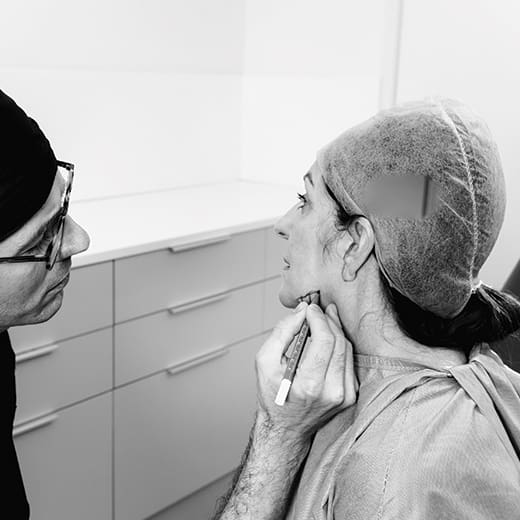
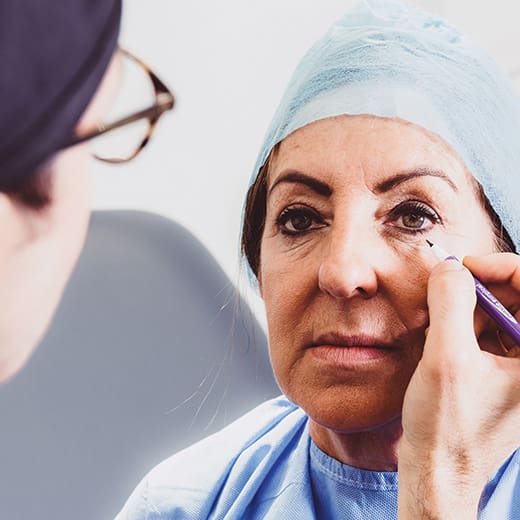
A detailed consultation allows us to understand your concerns, assess facial structure, and discuss what is realistically achievable. This is the foundation of a safe, effective, and personalised plan.
Your treatment plan is carefully mapped out, often involving more than one specialist. Each element is selected to complement the others for a cohesive result.
We guide you through preparation, including skin optimisation and medical checks, to ensure you are in the best possible condition for surgery and recovery.
Procedures are performed under local anaesthetic with deep sedation. Techniques such as deep plane lifting reposition deeper tissues for natural, long-lasting rejuvenation.
Aftercare is structured and supportive, with regular follow-ups to monitor healing, manage swelling, and ensure your results settle beautifully over time.
Before surgery, you will receive detailed instructions, pre-operative checks, and guidance on preparing your skin and lifestyle to support healing.
On the day, you will be comfortable under local anaesthetic with deep sedation. Procedures are unhurried and meticulous, prioritising safety and precision. You will be the only person your surgeon operates on that day: we do not have a conveyor belt approach.
Swelling and bruising are normal initially and settle gradually. Most patients feel socially comfortable within a few weeks, with results refining over several months.
The main benefit of the full facelift approach is that it also deals with signs of ageing that can’t be addressed from a surgical facelift alone. For some patients, a surgical lift, which has its main impact on the jowls, jawline and neck (and to a lesser extent the cheek) that provides enough rejuvenation to satisfy them. However, if you want to achieve a more global result – restoring the softness of youth, and healthy, glowing skin, then you will require the additional volume restoration and laser procedures to achieve your desired outcome.
Most of our surgical procedures are performed under local anaesthetic, which helps to reduce some of the risks associated with surgery. This means you are free to go home immediately after your treatment, although you will need to be accompanied by a responsible adult for the first 24 hours after your surgery. Most non-surgical procedures do not require any anaesthetic at all, although some may have a topical anaesthetic cream applied just before treatment to enhance comfort.
A full facelift is a comprehensive surgical procedure that can indeed address sagging skin around the neck and jawline. During the surgery, our skilled plastic surgeon will make discreet incisions along the hairline and behind the ears to access the underlying tissues. Through these incisions, they will tighten and reposition the muscles and connective tissues, effectively lifting and smoothing out the sagging skin in the neck and jawline area. Additionally, excess skin is carefully removed to achieve a more youthful and rejuvenated appearance. The procedure also allows for contouring of the jawline, resulting in a more defined and sculpted look.
The surgical part of the full facelift will normally require a two to three-week initial recovery period, depending on the extent of your surgery. You can read more about the recovery process on our blog here. The non-surgical aspects, which are normally performed after you’ve healed from surgery, typically do not have any downtime other than some mild swelling and bruising that can usually be camouflaged.
When you are planning a full facelift, it is best to see it as an evolution, a process whereby you will see incremental results as you heal from each component. Although you will see some immediate improvements after surgery, these will generally improve for up to six months as the remaining subtle swelling continues to resolve and the impact of the non-surgical procedures takes place. When you have reached your desired results, we recommend you continue on a light maintenance plan to maintain the effects. This may involve a couple of visits per year for some BBL skin treatments and light injectables to stop the wrinkles from recurring.
A full facelift and a mini facelift are both surgical procedures aimed at rejuvenating the face, but they differ in terms of the extent of correction and the areas targeted. A full facelift involves a comprehensive approach to facial rejuvenation, addressing multiple signs of ageing such as sagging skin, deep wrinkles, and loss of volume. This procedure typically includes tightening the underlying facial muscles, removing excess skin, and repositioning fat deposits for a more youthful appearance. On the other hand, a mini facelift is a less invasive option that focuses on specific areas of concern, such as the lower face and neck. It involves smaller incisions and primarily targets mild to moderate signs of ageing.
No. Modern deep plane techniques reposition underlying tissues rather than pulling the skin, creating results that look natural, relaxed and in keeping with your facial features.
Scars are carefully placed around the ears and hairline. They usually heal very well and become difficult to detect once fully settled.
Most patients describe tightness rather than pain. Any discomfort is usually mild and well controlled with simple pain relief during the early recovery period.
Yes. A full facelift typically includes a deep neck lift, significantly improving neck laxity, banding, and jawline definition.
Yes. Many men choose full facelifts for subtle, natural rejuvenation that preserves masculine facial structure while restoring a fresher, more rested appearance.
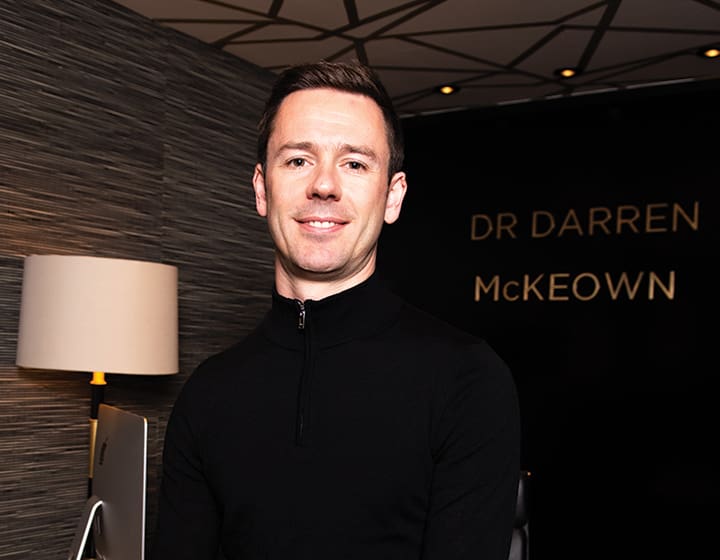
Mr Russell Bramhall (GMC 6120528), MB ChB and FRCS(Plast), is a Specialist Registered Consultant Plastic Surgeon and BAAPS member. Trained in Harley Street alongside leading names in aesthetics, Russell is an indispensable part of our multidisciplinary team, enabling patients to seamlessly transition from minimally invasive procedures to surgical rejuvenation.
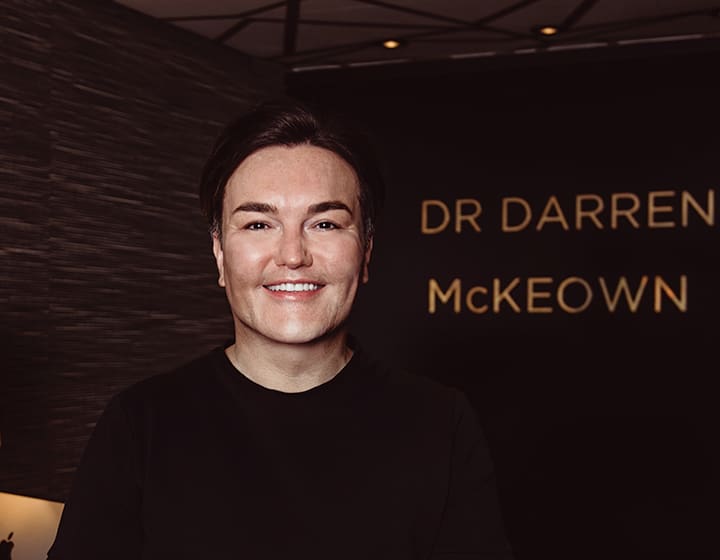
Dr Darren McKeown (GMC 6128508) is renowned for his expertise and artistry with dermal fillers. As a Full Member of the British College of Aesthetic Medicine (BCAM), the UK’s leading professional body for aesthetic medicine doctors, and a peer-reviewed medical author, he is passionate about treatments that stand up to scientific scrutiny. Above all, he genuinely cares about helping each patient feel their most confident, natural self.
1 / 2
2 / 2
Mr Russell Bramhall (GMC 6120528), MB ChB and FRCS(Plast), is a Specialist Registered Consultant Plastic Surgeon and BAAPS member. Trained in Harley Street alongside leading names in aesthetics, Russell is an indispensable part of our multidisciplinary team, enabling patients to seamlessly transition from minimally invasive procedures to surgical rejuvenation.
Dr Darren McKeown (GMC 6128508) is renowned for his expertise and artistry with dermal fillers. As a Full Member of the British College of Aesthetic Medicine (BCAM), the UK’s leading professional body for aesthetic medicine doctors, and a peer-reviewed medical author, he is passionate about treatments that stand up to scientific scrutiny. Above all, he genuinely cares about helping each patient feel their most confident, natural self.
Patients travel to our Glasgow clinic from across Scotland.
1 / 3
2 / 3
3 / 3
Keep up to date with the latest news from McKeown Medical and get access to expert insights, our latest before and afters and exclusive offers.


McKeown Medical
167 Bath Street, Glasgow, G2 4SQ
Copyright 2026 © Dr Darren McKeown - Cosmetic Surgery Clinic, Glasgow